
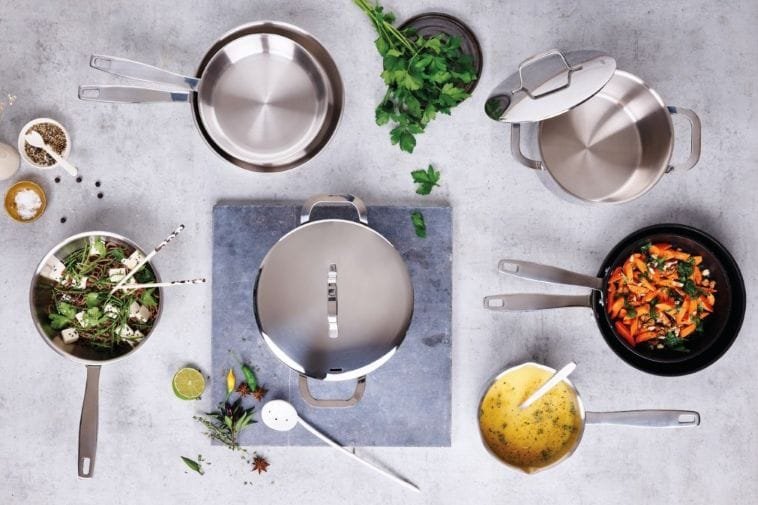
Choosing the right cookware is just as important as selecting healthy ingredients. Many nonstick pans contain harmful chemicals that can leach into your food, potentially causing long-term health concerns.
In this guide, we’ll explore the best non-toxic pan alternatives and highlight which materials to avoid.
What Makes Cookware Toxic?
Toxic cookware typically contains a nonstick coating made from synthetic chemicals known as PFAS (per- and polyfluoroalkyl substances). These chemicals include PTFE (Teflon), PFOA, PFOS, and GenX, which have been linked to health issues like cancer, hormone disruption, and organ damage.
Even though PFOA has been phased out, manufacturers still use similar chemicals with unknown long-term effects.
Here are the 5 healthiest pan materials that offer excellent performance without harmful chemicals:
1. Ceramic-Coated Pan
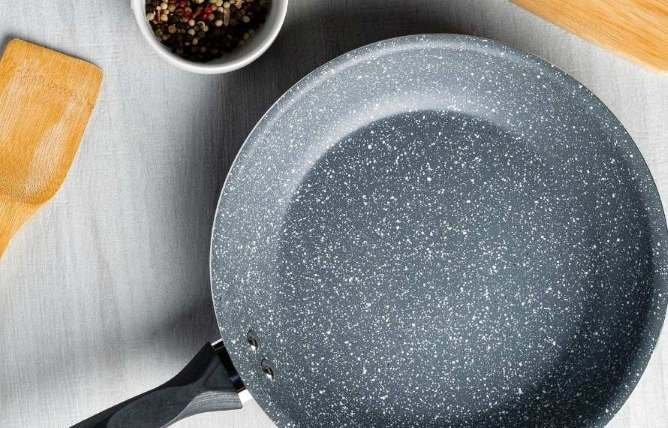
Ceramic-coated cookware features an aluminum or stainless steel base with a nonstick ceramic coating made from sand-derived silica. Unlike traditional nonstick pans, these do not contain PFAS chemicals.
Pros:
- Free from PFAS, PTFE, PFOA, lead, and cadmium
- Heats evenly and retains heat well
- Oven-safe up to 550°F
- Easy to clean
Cons:
- Coating wears out over time
- Not dishwasher safe
- Less durable than other options
Ozeri Professional Series 10” Ceramic Earth Fry Pan, Hand Cast
2. Stainless Steel Pan
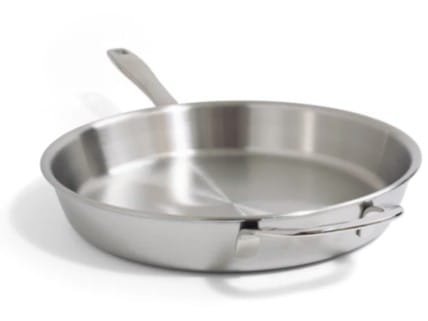
Stainless steel is one of the safest and most durable cookware materials. It’s made from a combination of iron, carbon, chromium, and nickel, making it resistant to rust and corrosion.
Pros:
- Free from PFAS, PTFE, lead, and cadmium
- Scratch-resistant and long-lasting
- Induction stove compatible
- Dishwasher safe
Cons:
- Higher-quality stainless steel can be expensive
- Not naturally nonstick, requires oil for cooking
- May leach nickel when cooking acidic foods
LOLYKITCH 12 Inch Tri-ply Stainless Steel Frying Pan with Lid
3. Cast Iron skillet
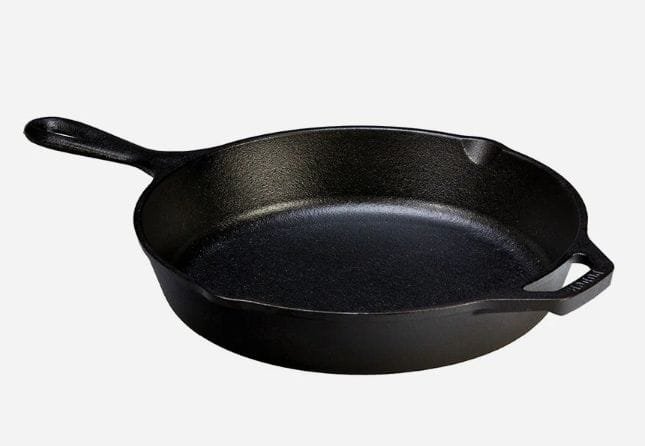
Traditional cast iron cookware is an excellent non-toxic choice that has been used for centuries. When properly seasoned, it develops a natural nonstick surface.
Pros:
- Free from synthetic coatings
- Provides a natural source of iron
- Durable and can last for generations
- Great for high-heat cooking
Cons:
- Requires maintenance to keep seasoned
- Heavy and takes longer to heat up
- May leach excess iron, which can be a concern for some individuals
Lodge 10.25 Inch Cast Iron Pre-Seasoned Skillet – Signature Teardrop Handle
4. Enameled Cast Iron skillet
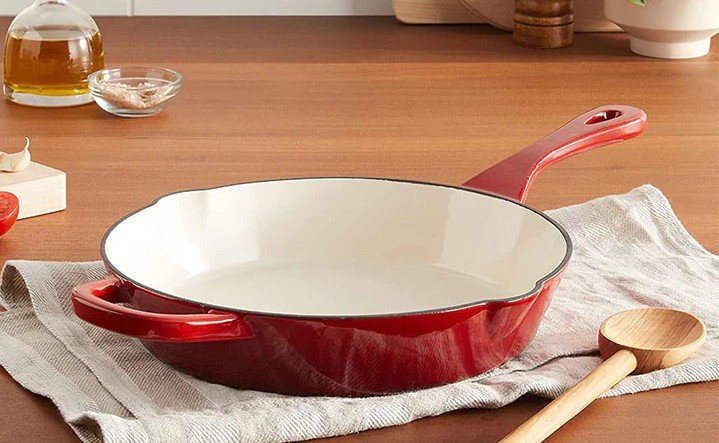
Enameled cast iron is classic cast iron with a smooth, porcelain enamel coating. This outer layer helps prevent rust, removes the need for seasoning, and makes the cookware easier to clean. It heats evenly, holds heat beautifully, and looks lovely on the stovetop or table.
Pros:
-
Doesn’t contain PFAS, PTFE, lead, or cadmium
-
Excellent for browning, slow simmering, and baking
-
Easy to clean—no seasoning required
-
Durable enough to last for years with proper care
Cons:
-
Heavier than other cookware—use two hands to move safely
-
More expensive than basic pots and pans
-
Enamel can chip if dropped or handled roughly
Hamilton Beach Enameled Cast Iron Fry Pan 12-Inch Navy, Cream Enamel Coating
5. 100% Ceramic Pan
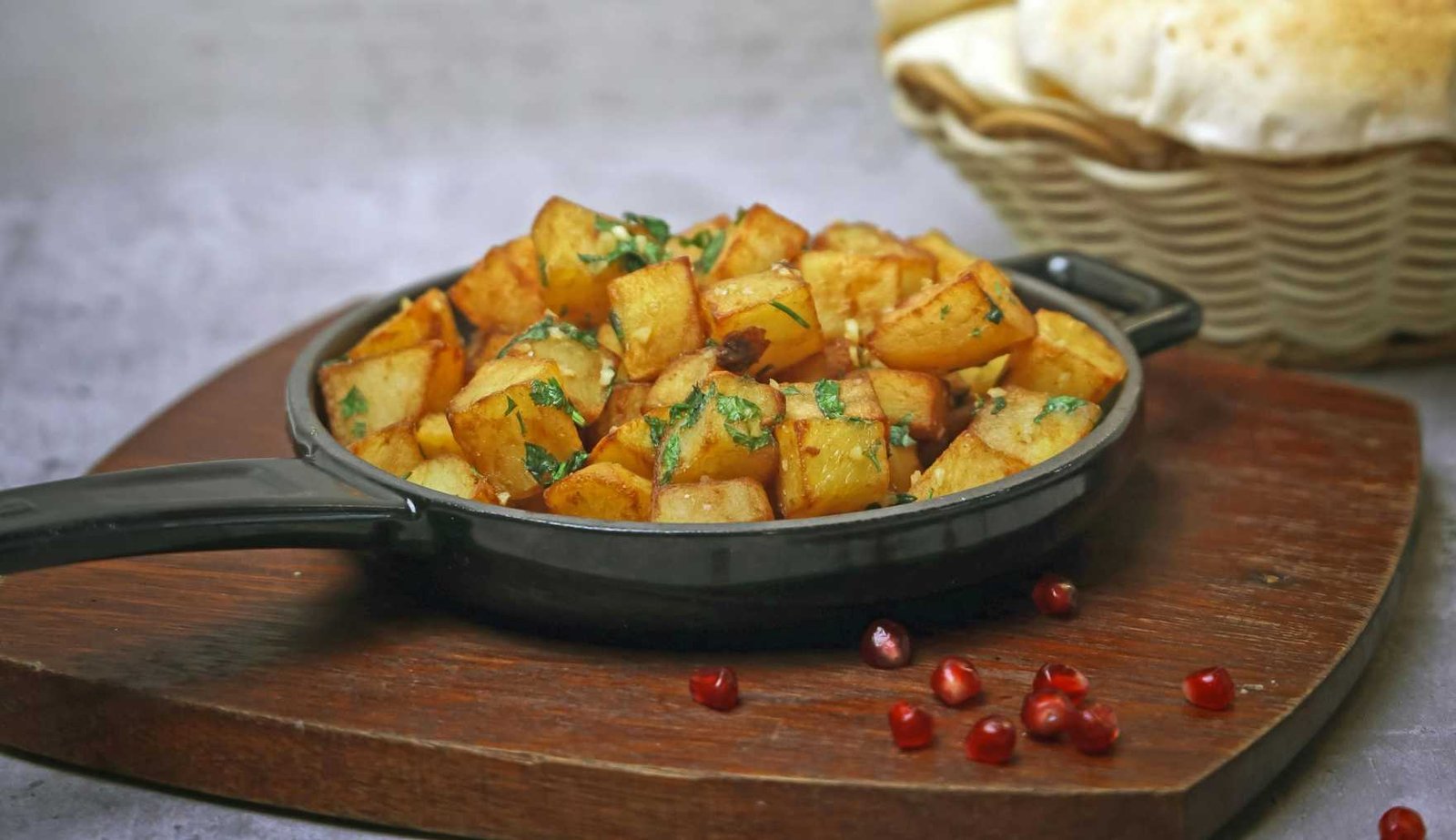
Ceramic cookware is made from natural clay and baked at high temperatures, making it free from toxic coatings. It offers great heat retention and is safe for stovetop, oven, microwave, and even freezer use.
Pros:
- Free from PFAS, PTFE, PFOA, lead, and cadmium
- Naturally nonstick with proper seasoning
- Dishwasher and oven safe
- Excellent heat retention
Cons:
- Requires oil for best nonstick performance
- Needs to be preheated slowly to prevent cracking
Xtrema Frying Pan
Conclusion
Switching to non-toxic cookware is a smart investment in your health and the environment. Stainless steel, ceramic, cast iron, and enameled cast iron are some of the best choices, offering durability and excellent cooking performance without harmful chemicals.