
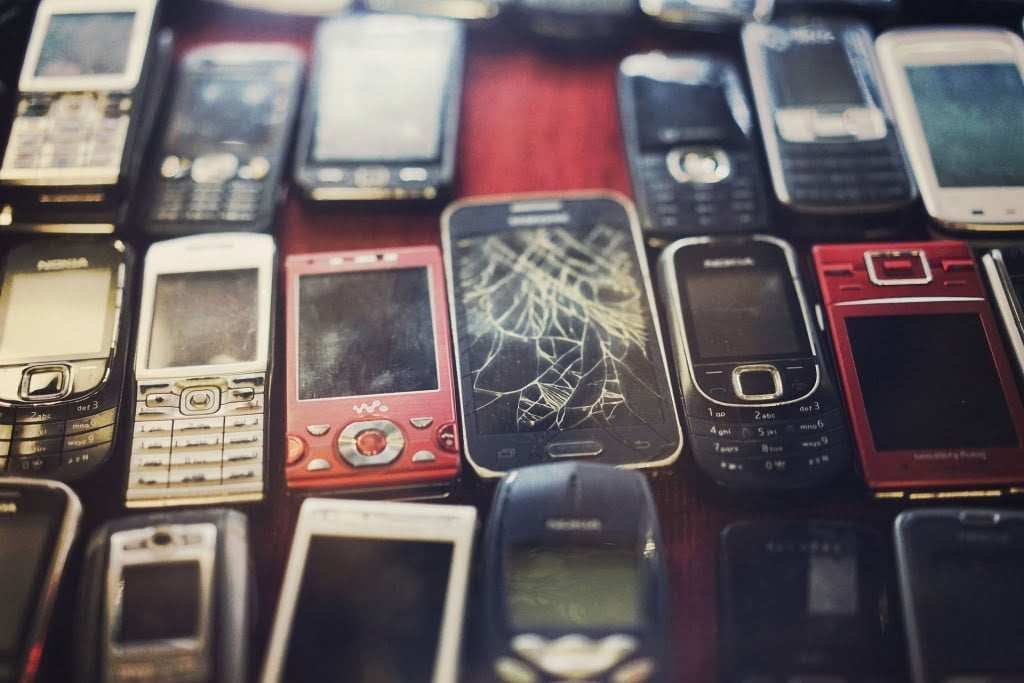
E-waste includes a wide range of discarded electronic devices — for example batteries, mobile phones, laptops, computers, keyboards, and even large appliances like fridges and washing machines. Essentially, if it requires a plug or battery to operate, it falls into this category, cables included.
But as we upgrade to the latest models, we’re left with the pressing question: where do these old electronics go?
Unlike ordinary trash, you can’t just toss these items in the bin. They are a cocktail of chemicals and materials that pose significant environmental and health risks if not handled correctly. These gadgets can leach harmful substances into our soil, water, and air, turning them into ticking time bombs for pollution.
The Growing Problem of E-Waste
E-waste represents the fastest-growing solid-waste stream globally.
Shockingly, in countries like the United States, less than 25% of e-waste gets recycled. The rest? It’s either incinerated or buried in landfills. This is particularly troubling considering the treasure trove of valuable materials — metals, glass, plastics — that electronics are made from. These require significant energy to mine and manufacture. Moreover, the presence of toxic materials such as mercury and beryllium in electronics adds to the environmental problem.
How to Recycle E-Waste Properly
- Assess and Prepare: Before thinking of recycling, check if the electronic can be reused, sold, or donated. If recycling is the only option, start by safely removing any batteries, which are typically processed separately.
- Wipe Your Data: For smart devices like laptops, tablets, and smartphones, it’s crucial to erase personal data. Perform a factory reset and wipe the storage drive to safeguard your information.
- Find a Recycling Program: Many retailers and manufacturers offer take-back programs. Giants like Best Buy, Staples, Apple, and Dell will happily recycle your old gadgets, often at no cost to you. These programs ensure that your e-waste is handled responsibly, keeping hazardous materials out of landfills.
- Utilize Local Resources: Your city’s waste management department can guide you to local e-waste recycling facilities. Websites like Call2Recycle and Earth911 offer searchable databases to find nearby recycling options. Community recycling drives are also an excellent way to dispose of your e-waste responsibly. For items that can’t be repaired or donated, local recycling centers are your go-to. These facilities have the expertise to dismantle and recycle various components safely.
Is it worth it ?
By properly disposing of electronic waste, we not only prevent hazardous substances from polluting our environment but also recover valuable materials that can be reused. This reduces the need for new materials, conserves energy, and supports a circular economy where products are recycled and repurposed rather than discarded.