
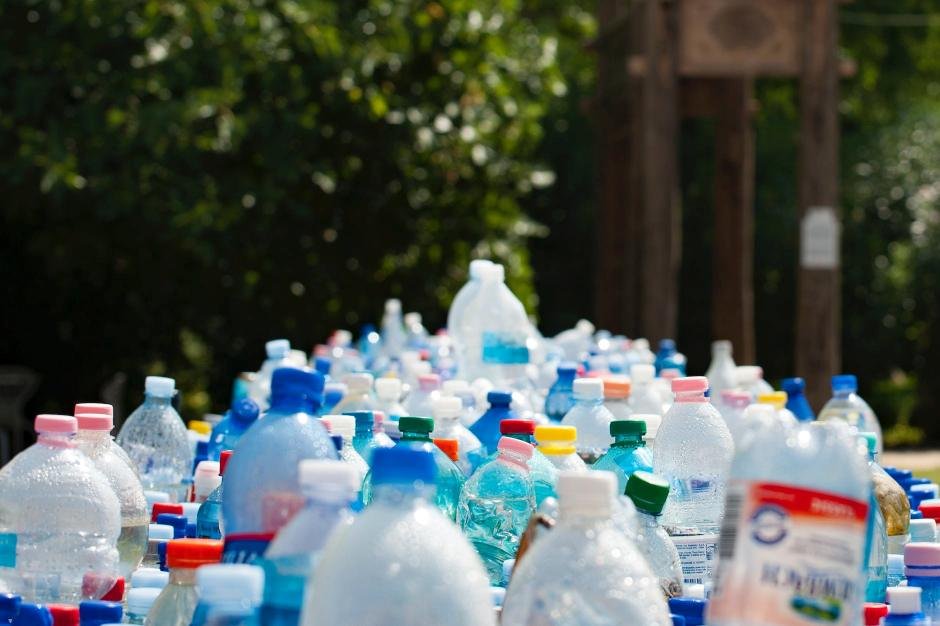
Plastic is everywhere. From our daily-use items to essential medical gear, it’s hard to imagine a world without it. But there’s a catch: we’re using so much that our planet is drowning in plastic waste. This waste harms our oceans, wildlife, and even our own health. However, it’s not all bad news. Many people are finding smart ways to deal with plastic, especially through recycling. In this article, we’ll explore some cool facts about plastic, how it’s recycled, and how we can help make things better. By understanding and using plastic wisely, we can enjoy its benefits without harming our planet.
Interesting Facts About Plastic
Plastic might seem like a modern invention, but it’s a lot more than just the bottles and bags we use every day. Here are some fun and surprising facts about this versatile material:
A Long History
The journey of plastic began over a century ago. The first synthetic plastic was invented in 1907 and was called Bakelite. People loved it, and soon it found its way into radios, kitchenware, and many other household items.
The Plastic waste issue
Each year, our world produces over 300 million tons of plastic! That’s almost the weight of the entire human population. But only about 9% of this is recycled. The rest? It ends up in landfills, oceans, and other places where it doesn’t belong.
The Ocean’s Plastic Island
There’s a spot in the Pacific Ocean where a lot of our discarded plastic ends up. It’s called the Great Pacific Garbage Patch. To give you an idea of its size, it’s more than twice the size of Texas! Imagine an area that large filled with floating plastic debris.
Not Just One Type
We’ve got seven main types of plastics, each with its unique uses and recycling symbols. The ones you might know are PET (like in water bottles) and HDPE (like in detergent bottles). While these two are often recycled, others, like PVC (used in some pipes and toys) or PS (like in styrofoam cups), are less commonly recycled due to the challenges and costs involved.
Takes Its Time
A plastic bottle can take up to 450 years to break down in the environment! This is why recycling and responsible disposal are so crucial.
Microplastics
Plastics break down over time, but they don’t just disappear. They become tiny particles known as microplastics. These are so small that they’re often mistaken for food by marine life. And through the food chain, they can even end up on our plates!
Plastic from Plants
While most plastics are derived from petrochemicals, there are bioplastics that are made from renewable plant sources like corn and sugarcane. These bioplastics can be composted, offering an eco-friendlier alternative.
Plastic Clothing
Ever heard of polyester? It’s a type of plastic! Many of the clothes we wear, especially sportswear, are made of polyester fibers. This means every time we wash them, tiny plastic fibers can shed and enter our water systems.
Chewing on Plastic
Remember the last time you chewed gum? Traditional chewing gum uses a synthetic rubber, a form of plastic, as its base. This is why modern gum doesn’t degrade quickly and can be a nuisance on streets and sidewalks.
Glow-in-the-Dark Plastic
Plastics can be engineered to have various unique properties. One such innovation is phosphorescent (or glow-in-the-dark) plastics. These are often used in toys, safety signs, and even jewelry. After exposing them to light, these plastics can glow for hours in the dark!
Plastic Recycling Process
Recycling might sound simple: you throw your plastic bottle into a blue bin, and voila, it’s recycled. However, the journey of plastic recycling is intricate, with multiple stages and a few challenges along the way. Let’s check how it works and the hurdles we need to overcome for a greener future.
Collection
The recycling journey begins with gathering plastic waste from our homes, offices, and public spaces. Trucks collect these recyclables from the curbside and transport them to recycling facilities.
Sorting
Upon arrival, the plastic items are sorted based on their type. Remember the seven types of plastics we talked about? They’re usually identified using the recycling symbols (those triangle signs with a number inside) found on the items. Automated conveyor belts, infrared sensors, and sometimes even manual labor are used for this process.
Cleaning
Before recycling can occur, plastics need to be cleaned. This step involves removing labels, adhesives, and other contaminants. It ensures the quality of the recycled product.
Shredding and Resizing
Cleaned plastics are then shredded into tiny bits, which are further melted and converted into pellets. These pellets are the raw material for creating new plastic products. This standard tehcnique, is not effective for all plastic types and cannot be applied too many times before plastic is degraded.
Innovations
Research is ongoing for innovative solutions for plastic recycling.
Chemical recycling is one such emerging technology. It breaks down plastic to its molecular level, allowing it to be reformed without degradation in quality. This process can potentially recycle plastics multiple times, reducing the need for fresh raw materials.
A special type of plastic-eating bacteria, discovered in waste dumps, can digest plastics like PET. Scientists are enhancing these bacteria to quicken the decomposition process. Compared to mechanical or chemical methods, these bacteria convert plastics into natural compounds. The goal is to merge these bacteria into current recycling systems, increasing their efficiency for hard-to-recycle plastics. However, they aren’t the only answer to the plastic issue. Research continues, ensuring these bacteria won’t cause unexpected problems.
How to Reduce Plastic from the Environment
Plastic is undeniably versatile, but its long-lasting nature poses an environmental challenge, therefore we need to adopt sustainable practices. Let’s look at how we can reduce plastic from our surroundings.
The 3Rs: Reduce, Reuse, Recycle
These three principles form the cornerstone of sustainable living.
• Reduce: Before we even consider recycling, the first step is to use less. Choose products with minimal packaging, carry your own shopping bags, and avoid single-use plastics like straws and cutlery.
• Reuse: A plastic container’s life doesn’t have to end after its first use. Wash and reuse containers, buy products in bulk to minimize packaging, and use cloth bags instead of plastic ones.
• Recycle: Ensure you know the recycling rules in your community. Not all plastics are recyclable, so it’s essential to be informed and dispose of items appropriately.
Embrace Organic Plastics
Organic or bioplastics are derived from renewable sources like cornstarch or sugarcane. Unlike conventional plastics, they decompose more quickly and have a lesser environmental footprint.
- Composting: Some bioplastics are compostable, meaning they can be broken down in a compost heap. This makes them a great option for items like food packaging.
- Limitations: While they’re a step in the right direction, it’s worth noting that not all bioplastics are fully biodegradable. Some might still require specific conditions to decompose. Always read labels carefully and dispose of them as recommended.
Improving Recycling Habits at Home
- Start with Education: Understand the types of plastics and which ones are recyclable in your area. This can significantly boost your recycling efficiency.
- Designate a Recycling Zone: Create a dedicated space in your home for recyclables. This can be as simple as a separate bin or a designated area in your garage.
- Reduce Contamination: Ensure that recyclables are clean. Rinse out containers and ensure there’s no food residue, which can contaminate the recycling stream.
Championing Recycling in the Community
- Organize Clean-Up Drives: Mobilize community members to participate in local clean-up drives. This can be at parks, beaches, or any public area.
- Educate and Advocate: Offer to conduct small workshops or sessions in schools, community centers, or local events. Sharing knowledge can ripple out into wider community action.
- Collaborate with Local Businesses: Encourage local businesses to adopt sustainable practices. This could include using bioplastics or offering discounts to customers who bring their own containers or bags.
Best Ways to Use Recycled Plastic
Recycled plastic has increasingly found its way into various applications, aiding in the reduction of environmental waste. Its versatility and durability make it suitable for a range of products that we use daily. Here’s a comprehensive look at some primary uses of recycled plastic:
Construction Materials
Recycled plastics offer several advantages in the construction sector. They are durable, resistant to moisture, and don’t corrode, making them ideal for various applications. Recycled plastic lumber (RPL) is used as a substitute for wooden boards and posts, offering longevity and resistance to rot and termites. Additionally, they are used in making durable bricks, pipes, roof tiles, and insulation.
Infrastructure
Recycled plastics are used in infrastructural developments, like creating robust and long-lasting roadways. By mixing plastic pellets with asphalt, roads can be more resistant to wear and tear.
Furniture
Outdoor and indoor furniture increasingly incorporates recycled plastic. Due to its weather-resistant properties, furniture made from recycled plastic, such as chairs, tables, and benches, require minimal maintenance and have a long lifespan. These furnishings are resistant to UV radiation, reducing the chances of color fading.
Textiles and Carpets
Recycled plastic has found a substantial role in the fashion industry. Fabrics like rPET (recycled polyethylene terephthalate) are made by processing used PET bottles. Such fabrics are used to make garments, including jackets, shoes, and sportswear.The extracted fibers can also be woven into carpets. These carpets, made from recycled plastic, offer durability and are easy to clean.
Automotive components
The automotive industry is a significant consumer of plastics, and the use of recycled plastic has been on the rise. Components such as dashboards, seat belts, storage bins, and under-the-hood parts are made using recycled plastics. These parts made from recycled materials contribute to weight reduction in vehicles, which can enhance fuel efficiency.
Packaging
Many companies are transitioning to use recycled plastic in their product packaging. This includes containers, bottles, and wrappers. This shift not only reduces the consumption of new plastic but also encourages the recycling loop.
Conclusion
We have seen how plastic can end up in places like the Great Pacific Garbage Patch, and how tiny plastic pieces, called microplastics, are everywhere. These issues remind us that we need to be more careful with how we use and throw away plastic.
Recycling is one way to help. When we recycle, we can take old plastic and make it into something new. This means less new plastic is made and less old plastic ends up as trash. There are many ways to use recycled plastic, from building materials to clothes.
To make things better in the future, we need to remember three simple ideas: reduce (use less), reuse (use again), and recycle (make something new). By following these steps and understanding more about plastic, we can enjoy its benefits and also take care of our planet.