
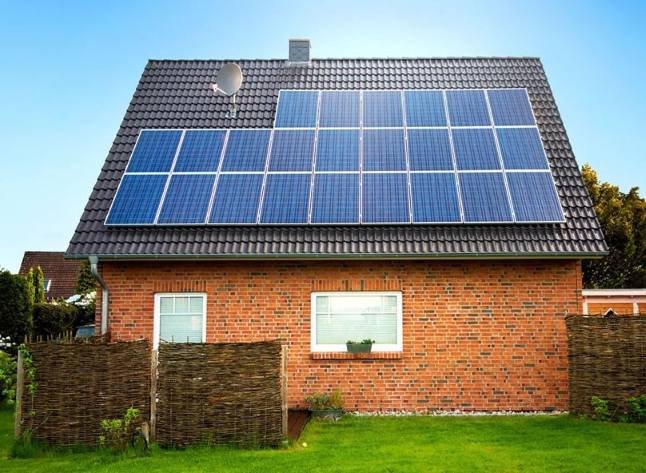
If you’ve been thinking about ditching your electricity provider and switching to clean, reliable solar energy, an off-grid solar power system might be the solution. Whether you’re living in a remote area or just want the freedom of generating your own power, going off-grid can give you long-term savings, control over your energy use, and a smaller carbon footprint.
And in rural or hard-to-reach areas, extending power lines can cost up to $50,000 per mile. Compared to that, installing an off-grid setup is often the more affordable and future-proof choice.
With the right guidance – and a good solar kit – it’s more doable than you might think.
Key Components You’ll Need
To build a system that works reliably year-round, you need the right mix of parts. Here’s what goes into an off grid solar panel kit and why they matter:
1. Solar Panels
These are your power source. Panels convert sunlight into DC (direct current) electricity.
- Look for monocrystalline panels for higher efficiency (typically 19–21%).
- Make sure the voltage output matches your battery and inverter setup.
2. Charge Controller
This small but critical device regulates power flow from the panels to the batteries.
- It prevents overcharging and extends battery life.
- MPPT controllers are more efficient and better for larger systems.
3. Batteries
These store the energy your panels produce during the day so you can use it at night or during cloudy weather.
- Lithium-ion batteries last longer and need less maintenance than lead-acid ones.
- Battery size and capacity depend on your daily usage.
4. Inverter
This device converts DC power from your batteries into AC power for your home’s appliances.
- Look for pure sine wave inverters for better performance with sensitive electronics.
5. Additional Essentials
Don’t forget mounting hardware, cables, fuses, grounding equipment, and possibly a backup generator for extra peace of mind in winter or during long cloudy spells.
Planning Your System: Where to Start
Step 1: Calculate Your Energy Needs
Make a list of all the appliances you use regularly, then figure out how many watt-hours you use in a typical day.
- Example: If your fridge uses 150W and runs 24 hours, that’s 3.6 kWh per day just for the fridge.
Step 2: Find Out Your Peak Sun Hours
Peak sun hours vary by location. In sunny states like Arizona, you may get 5–6 hours per day.
- Divide your daily kWh need by the sun hours to estimate the solar panel size.
Step 3: Match Components to Your Budget
A 12V system works if your usage is below 1,000 watts. If you need more power, go for a 24V or 48V system.
- Keep in mind: higher capacity = higher cost, but also better reliability.
Tips for a Smooth Setup
- Go with pre-configured solar kits if you’re not ready to piece everything together yourself.
- Check for UL-listed components for safety and performance.
- Make sure your setup meets local permitting requirements (if needed).
- Factor in maintenance and tech support—especially for batteries and inverters.
Is It Worth It?
Absolutely – if you’re serious about cutting ties with the grid, reducing your carbon footprint, and gaining control over your power. A well-built off-grid solar power system, with quality components, can run for 10–20 years with minimal upkeep.
Today’s off grid solar panel kits make it easier than ever to get started. Many include everything from panels and batteries to inverters and cables – so you don’t have to guess which parts work together.